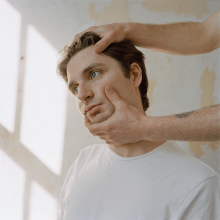
Aaron Schuman
Speculative documentary.
“not interested with recording, looking at the interpretation of events, borrowing events from documentary and creating fine art, combining the two (are we artists or documentarians?)”.
“it is a way of coming to terms with reality” the criticality of documentary, they are deceptive, they cannot be factual but they are not lying to us either, embracing realism.
“Documentary is in-between fact and fiction”.
Constructing and reconstructing reality, documentary is so complicated that you cant embody it simply, the idea of truth is a lie.
Sometimes making a photograph that is documentary becomes something more, like an art piece based on context and the way that something is visually represented, aspects of an image that can embody something that is not planned but that does not make it documentary.
Many ‘documentary’ photographers reject the word as they see it as reductive. Some use words like poetry instead, and some say that it is about reading, context, philosophy and theory.
It can be described as non-fiction.
Narrative form and structure showing artistry, the goal is literature, meaningful, serves the world in a specific way with a voice.
!!!!Work that is literary and poetic as a-pose to descriptive, it has narrative, but not a blunt narrative. ARTFUL!!! Relevant for your work. The use of fact and fiction. Take the fact and create the narrative, the feeling, the poem that creates a ‘documentation’ of a reality but the experience is reproduced, recreated and represented!!!!
Gallery effect, not photojournalism, it has an artful intention, speaks alone in just the photographic discourse.
Photographer bias, who they are and who you are, what are the intentions and how can it be seen through a variety of eyes.
“Photographs don’t lie, but liers can photograph.”
Chris Hoare
Documenting Australia
Inspired by the book ‘lucky’ saying how are people lucky to live in Australia, people who live there are the richest, it has 90% of the worlds known recourses. The work was seeing if this was true, are people actually lucky to live there?
The richest person in Australia wrote a poem, that sounds like a very right wing manifesto, touches on luck and seams she hides from reality.
Photographing luck, reality, finding gold, money, riches, good luck and bad luck.
Tried to document the luck of the aboriginal Australians.
‘Luck’ is also in gambling, which it has the highest population of gamblers.
Trying to embody luck within portraits, has a series of 40 images that he has arranged into a publication, things that are lucky, and things that aren’t, along with portraits of people he met along the way. As well as ‘metaphorical’ images that he feels embodies the feeling or meaning of what he is trying to achieve.
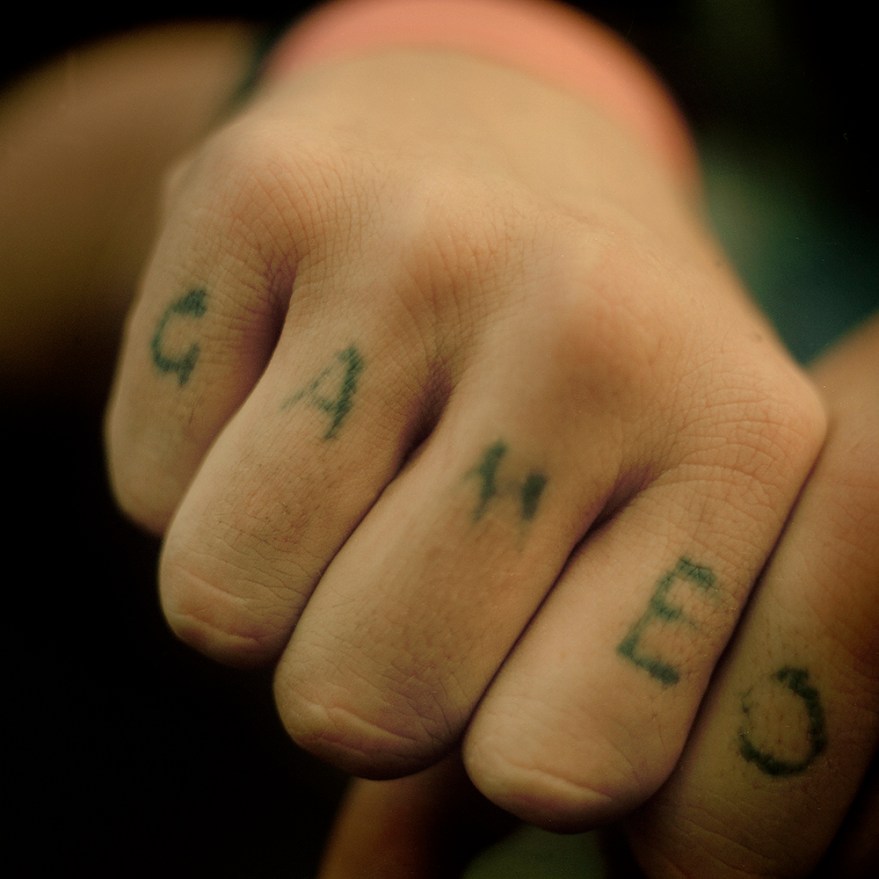
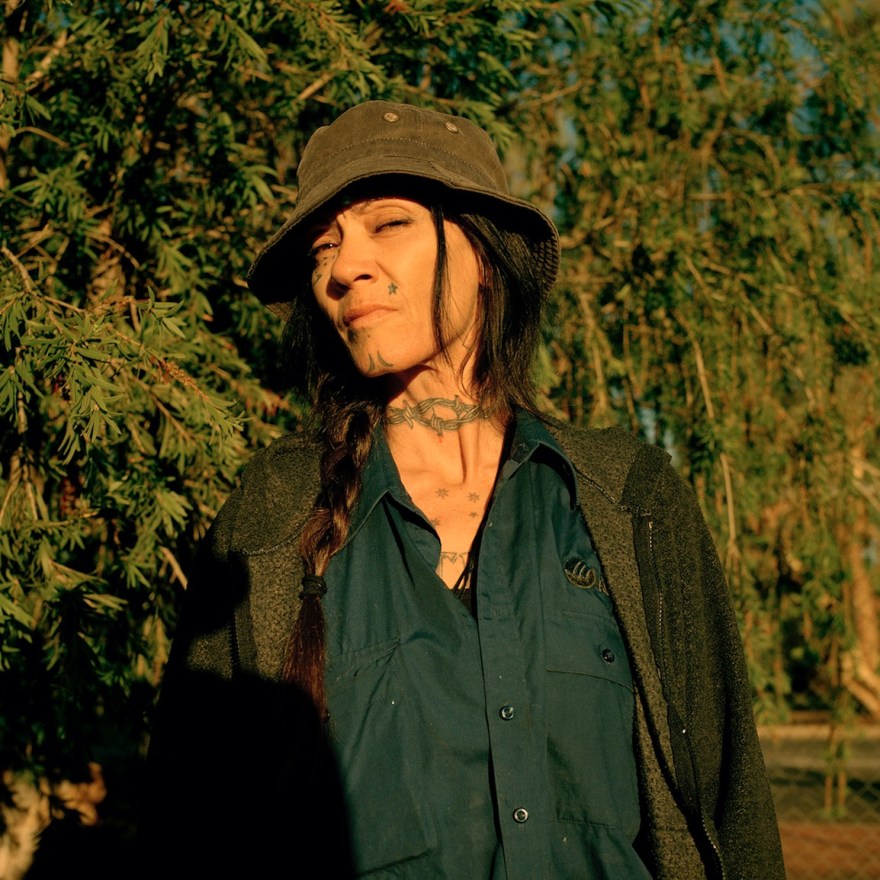
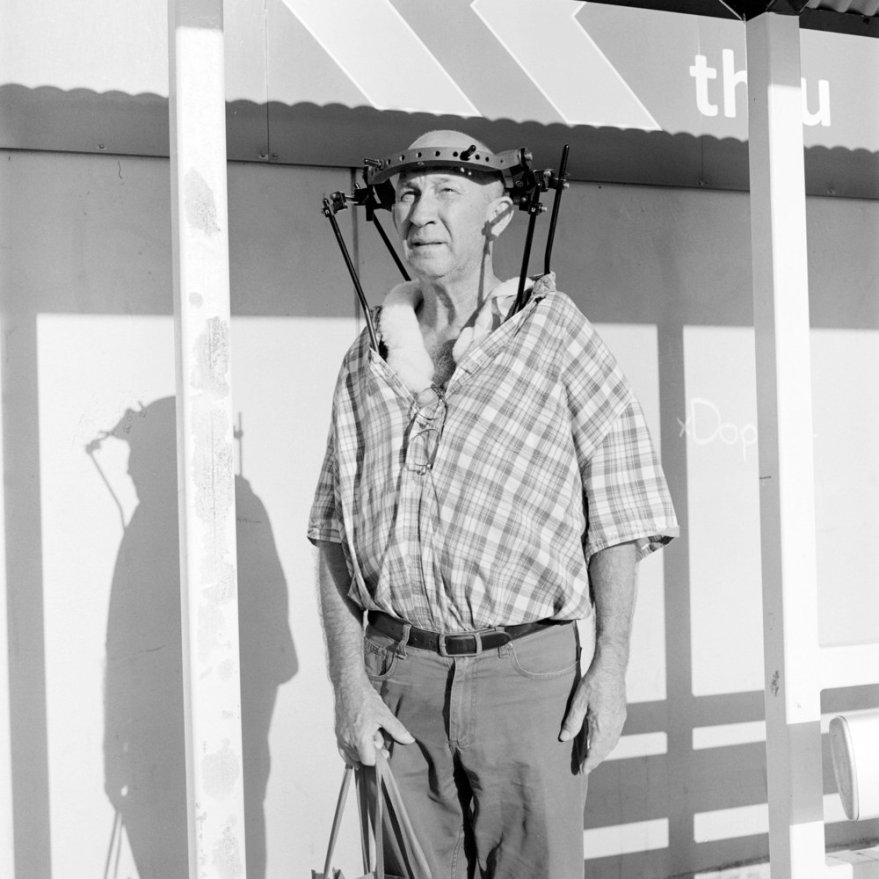
“A cinema of stills”
The lecture by Chris Hoare was informative and inspiring, particularly hearing his process behind making the work. The idea behind the main body of work was that Australia is considered a very lucky country, however Hoare wanted to document the people, areas and aspects of Australia that contradict this ideal. The images are beautiful, and I feel that the portraits show a variety of people, each image with a very specific feeling behind it, reflecting each subjects personality. This work is the ‘real’ Australia, and while the work is not about family, this way of shooting is similar to that of Richard Billington, as it is showing a ‘reality’ instead of an ideal. Many make photos in order to show the best side of a subject that they can, however both Hoare and Billington have used image making as a way to show their own or somebody else’s truth, that is imperfect. I would like to use this in my own work and not show myself or my brothers in an idealist way, not in any way showing a perfect happy relationship with smiles, but instead awkward (maybe funny?) situations that are so much more common in the family dynamic.
 phoebebowdige.photo.blog