LECTURE – NICK BRIGHT – 22/11/18
PICTURES FROM HOME: PHOTOGRAPHY AND THE FAMILY
- Why do people make work on the family? Critical tension or where did I come from or personal catharsis.
- the desire to memorialise, or the construction of mythologies.
- LARRY SALTON pictures from home – book – his intent want to explode the myth of the American family life, or the American dream, 1980s American social norms, notions of the family are constructed.
- the social construction of masculinity, his father plays a key role.
- he wants to let his parents live forever.
EARLY REPRESENTATIONS OF THE FAMILY
- the families relationship with god was the main thing that was important.
- ROLES: the maternal person is nurturing, caring, in early forms of painting, steaming from the roles created in the bible.
- traditional for families to record their bonds with painting or portraits, surrounded by land or things
- the male figure is physically and emotionally the power figure, the form of order, as a representation for the church or state. Families are self running bodies.
- The visual codes are perpetuated by the visual roles.
- there was a desire to be seen like that through photography, those roles were desired.
- social aspirations of what they wanted to be like, often backdrops of travel and regal probs.
- repeated representations or the family back in the day.
- however this is all still very relevant, family portraits in the studio are still like this, the visual codes are still there, its still the way in which we see the family, the family unit, is good.
- From the states understanding, if you are married, you are less of a burden on the state, its the ideal social state of someone.
- you take pictures at ideal events, there is no sense of tension or friction, they are presented as a self contained well kept unit.
- in most portraits, the family is contained in the frame, but this is not a real representation, we are looking at the family, not into the family.
- PERFORMANCE of the FAMILY
- its only when you don’t see the conventional representation is when you start to question the photographs.
- seeing through the fictions and fantasies of families.
GRAHAM KING – Say Cheese – snapshot photography
- comes from the idea of hunting, haphazard form of image production, maybe the more natural way of making images. more like real life not posed in a studio.
- book where the fingers have got in the way of the lens from other peoples pictures, is it funny? it makes it much more unreadable
- ‘HOW TO PHOTOGRAPH A BLACK DOG’ book – the dog just becomes a void.
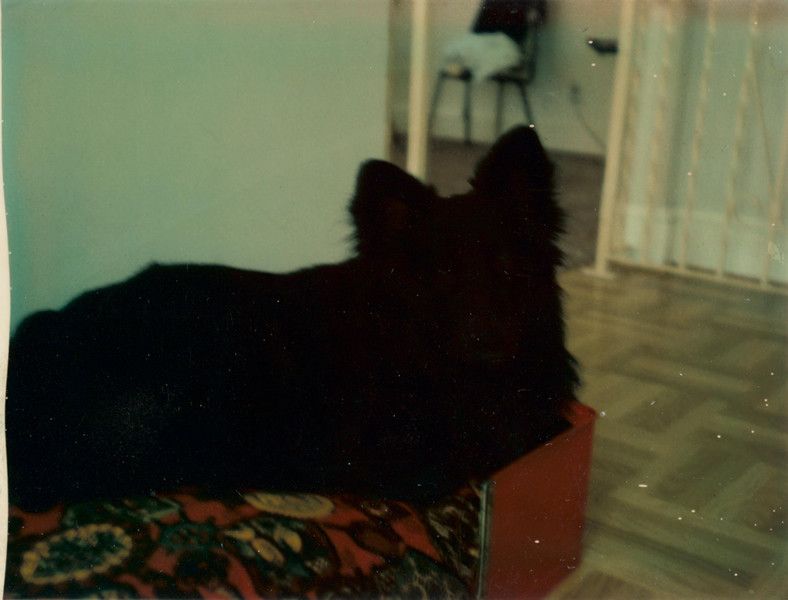
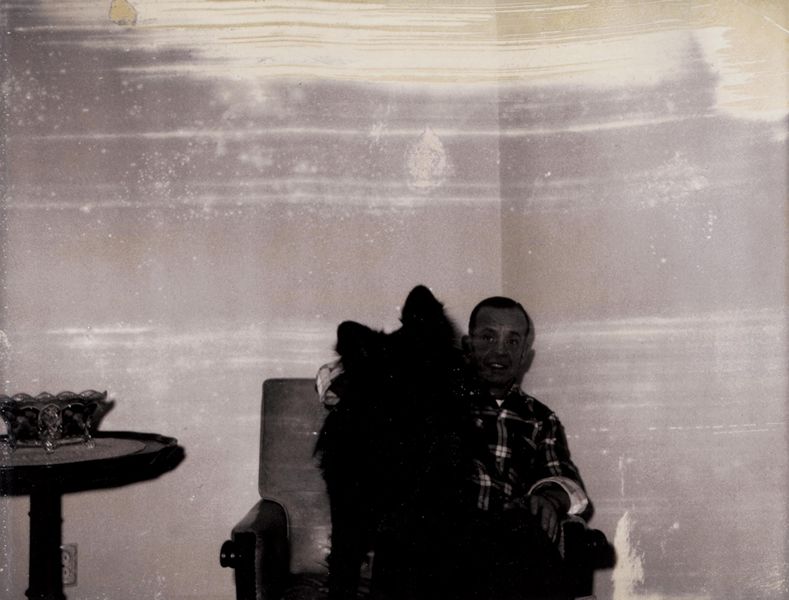
- UGENE USHINCAL
- MARTIN PARR – COST OF LIVING – a boredom with life that makes the materialistic things important.
KODAK
- the inventions of kodak meant that people could photograph more, the invention of kodak culture.
- people photograph themselves, but when, where, what makes a good photograph
- the introduction of the working week meant people have weekends and holidays, so people wanted to travel and capture moments, why would you go on holiday without a camera? pressure to take pictures because memory isn’t good enough, to prove that you were there, just having a holiday wasn’t enough.
- take pictures right now, or you’ll miss it, of the family, they might be dead tomorrow
- kodak starting focusing on the mother, the modern family was part build by kodak, family dynamics were idealised and promoted through snapshot and the public started to seek these roles.
- ‘the family group remains the centre of fantasy.’
- kodak was presenting the ideal family format so if you made pictures you could achieve this, ideology.
- RICHARD CHALFEN – the snapshot actually requires considerable direction, ‘smile pls’ ‘move that way’, all manufactured by these aspects – they are staged and manufactured
- THE KODAK MOMENT
- recording moments of success, rather than moments that taint what people think of the family, like a funeral
- you don’t photograph the hard moments, only at the happy, modern day no one makes photos of death or negative events, within our own culture.
THE REAL FAMILY
- RICHARD BILLINGHAM – Nottingham 1980s, alcoholic father, smoking mother, the real family, they were made as studies for his paintings, but they actually have massive relevance for the family unit
- hard photography, too close to home
- it doesn’t seek to expose them as a burden, its warm and honest, they are complex people not a 2D social problem.
MEMORIES ETC
- children’s memories are curated by the parents as they capture what they want and not what they don’t want. its controlled.
- the way we collect images, has it shifted
- ‘BEYOND THE FAMILY ALBUM’ – Jo Spence
- the way we understand images are explained by our memories, but they shift, so our understanding shifts, they are time specific.
- TRISH MORRISSEY – takes pictures of people on the beach, then asks them if she can replace the mother figure. really interesting work have a look at this. how do the family react to them. she doesn’t smile in any of the work. she was pregnant, she was testing out being a mother through different families.
- ELINOR CARUCCI – MOTHER what its like to be a mother, it is like nothing else in the world, you give yourself wholly to another person, the children own you. no pretty depictions of motherhood.
- SHAN DAVEY what is motherhood, down syndrome baby, coming to terms with having a disabled child.
- ELINA BROTHERUS – made work over 5 years of failed IVF, loss of a future, loss of a child, what is a mother, when do you become a mother, historically you had to have the child to have some kind of purpose and things can be passed down.
- COLLIN PANTAIL – beautiful work, father role, inbuilt obsolete-ness. (well actually no, the father role is a massive role that can be hugely influential so don’t defuse that responsibility pls.)
MEMORIAL
- documenting family to preserve them.
- the essence of someone who was here, the picture exists because they do, looking for truth within an image
- death used to be more the every day
- photographs produce moments and memorial for people
- SALLY MANN – photographs her father right after he dies
- LARRY SALTON – pictures from home
I found this lecture very helpful for the start of the work, it gave me many names of artists to look into in regard to photographing the family. Something that I found very interesting was the idea of The Kodak Moment, the idea of picturing the family in the best way possible, when everyone has smiling faces and is in the perfect setting. This has made me think of family portrait myself and my two older brothers had when we were younger. We had them yearly as mum wanted to document how we were growing. They were made in a studio in Brighton by a family portrait photographer that is also my mums friend. I would like to find these images and use them as a starting point for the work, as it feels very relevant to what I and intending to think about, particularly because the portraits are of myself and my older brothers. Richard Billington’s series on his Nottingham based family sounds interesting as it goes against this family image convention, and I would like to research more about his work.
I am definitely interesting in issues raised in this lecture, such as the roles in the family dynamic. I would like to explore the way in which the brother and sister role has effected me, as well as the role of the younger sister. Reading about this aspect of the sibling dynamic in psychology, sociology and anthropology will help inform my work and help me to learn more about my own sibling situation.
 phoebebowdige.photo.blog