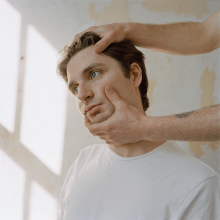
Nelli Palomaki was born in 1981 in a small industrial town in Forssa, Finland. Her photography has been shown all over the world since she began making work. This series on siblings is very interesting and perfectly relevant for my own practice. The British Journal of Photography interviewed Nelli Palomaki on the work:
“The whole project with the siblings wasn’t really planned, it came to me. As I have been constantly surrounded by siblings [when photographing children], I began to follow their behaviour almost accidentally. I was amazed how many of them were physically so close – I never had that with my big sister, though I have always had a good relationship with her. As a theme siblinghood felt almost too ordinary but more I got into it, the more contradictions and the more complications I found. I realised I never really thought about my own experience of sisterhood, for me it was always more about the whole family and about my parents. Through making this work I have found memories that have been hidden – funny, loving, and painful too.”
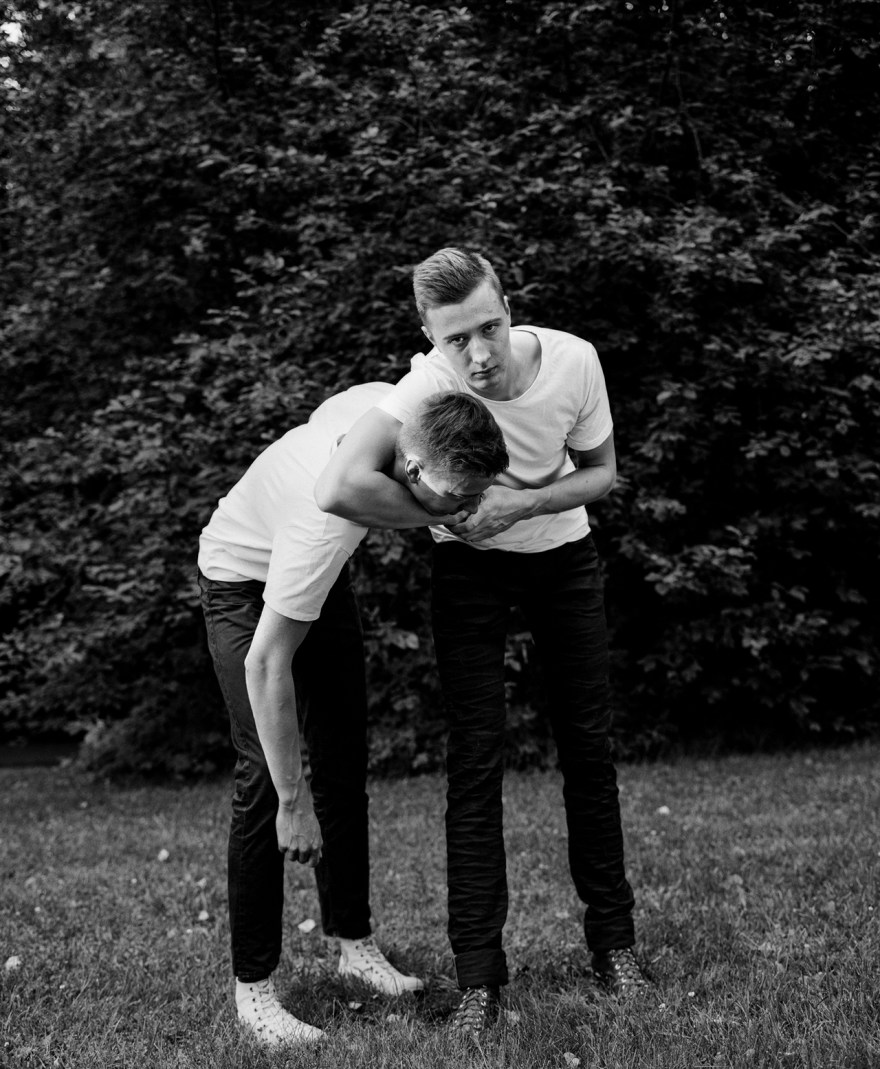
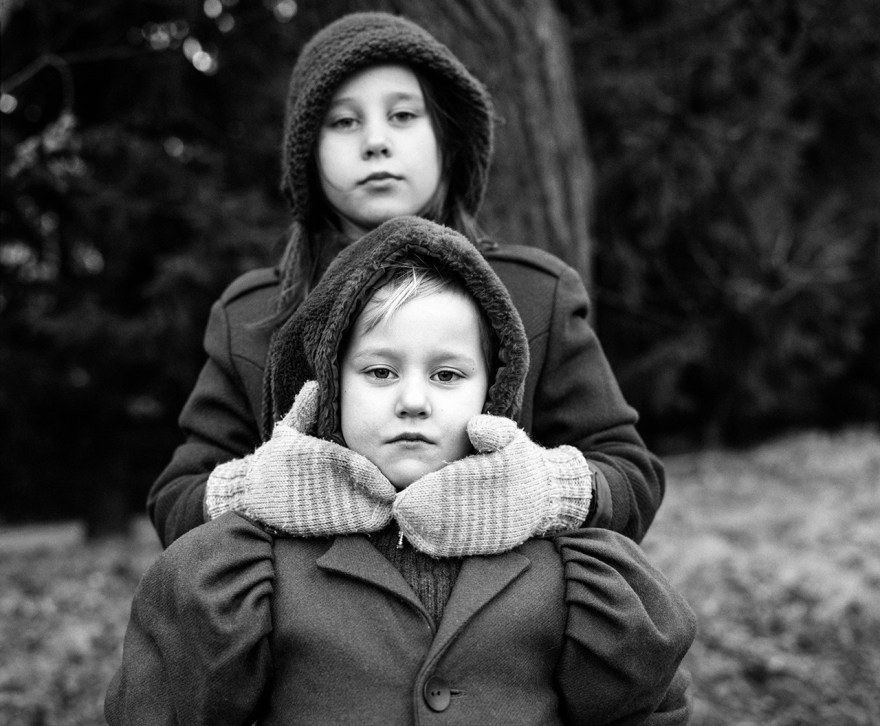
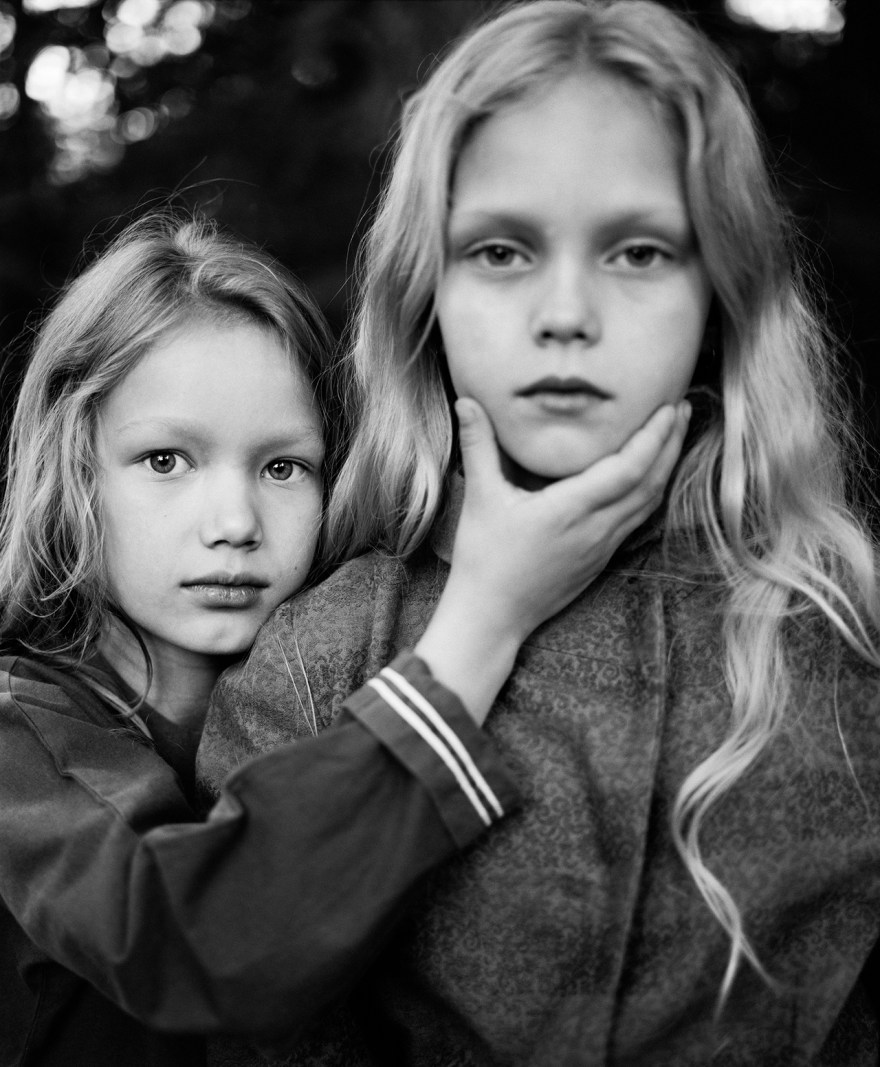
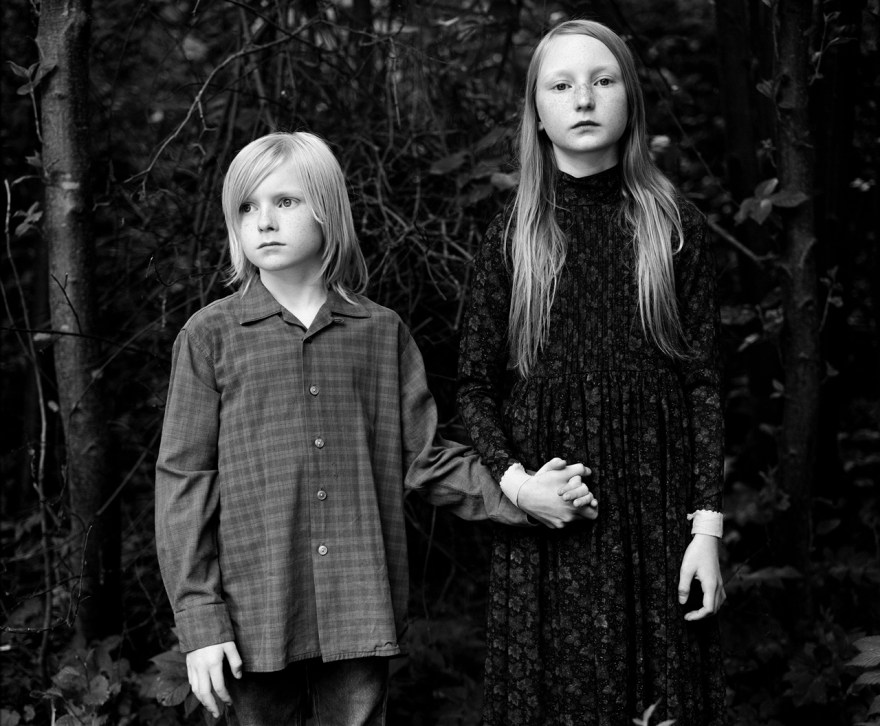
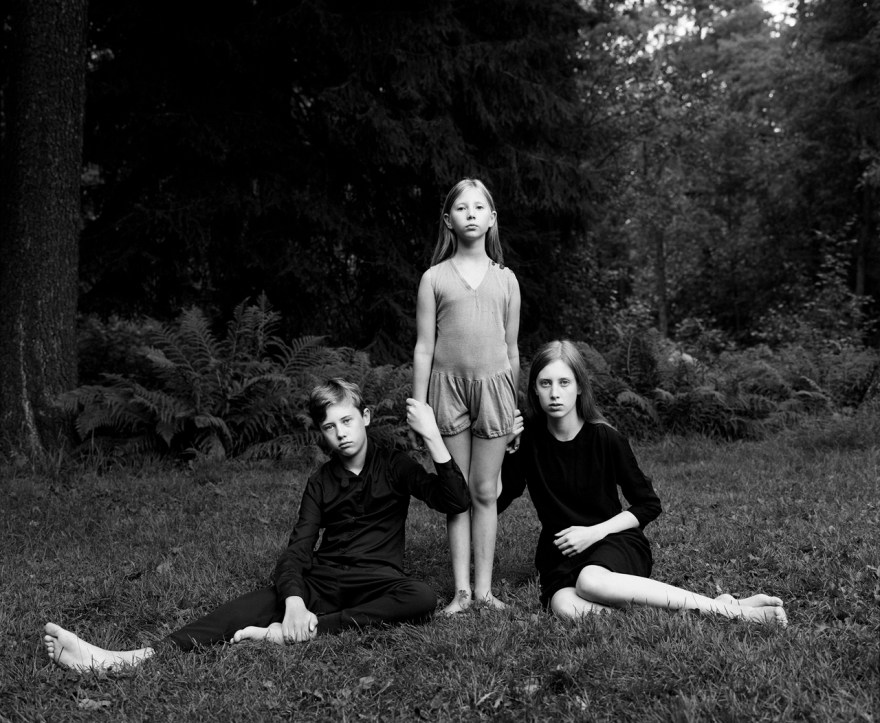
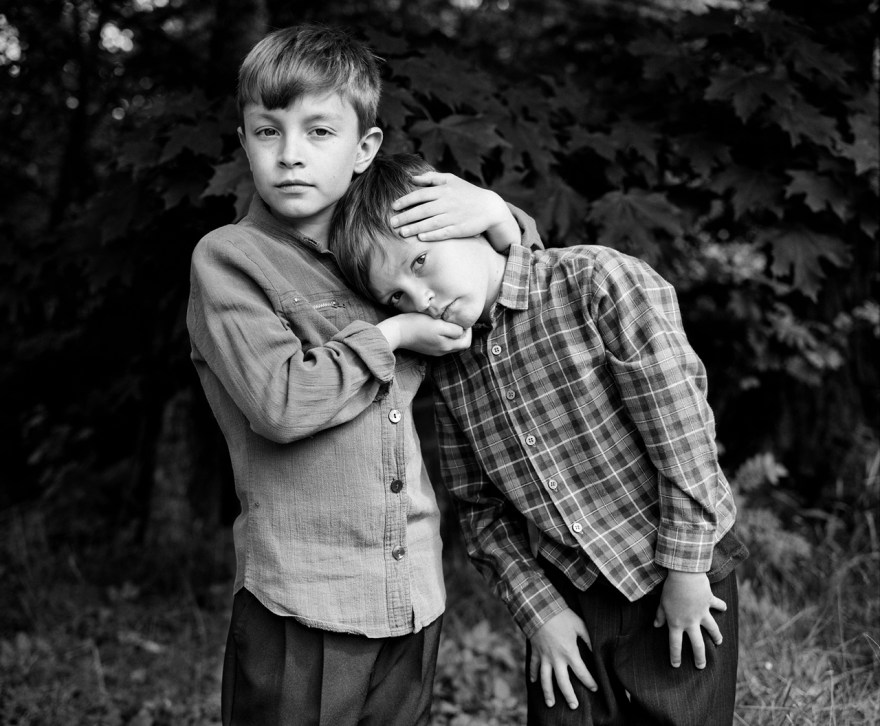
“I hope they show something universal about siblinghood, about the bond between brothers and sisters but also about the power relationships and the darker feelings too. I’m dealing with the physical closeness, but also the uncomfortable aspect of being in such close proximity to someone. Looking at these photographs, we first search for the likenesses but then the differences between the siblings. It felt hugely important to photograph the siblings standing close to each other, mostly so close that they were touching each other. Various emotions are shown through little gestures.”
Palomaki often photographs young people, and children, under themes of growth, memory and mortality, this is where she begun to observe the relationships of siblings. Her initial comments on the work are very interesting, as they are completely the opposite of my own experience, or perhaps my current experience, as a teenager and adult. When we were children, of course, myself and my siblings fought, played and playfully hit each other, however (as it can be seen in our family portraits) we now have little to no physical contact, and haven’t done for years. Palomaki’s interpretation of the sibling dynamic begun because of her observing how ‘physically close’ these siblings were to each other, however, my starting point with the work was my observation of the complete opposite, as well as the emotional non-closeness of myself and my siblings. For myself, it was the differences that interested me, and awkwardness and lack of affection. However, I do appreciate that perhaps Palomaki’s subjects had very different dynamics with their siblings than myself.
Palomaki then goes on to expand her reasoning for the physical closeness in the images and states that she is also trying to represent ‘darker feelings’ too, which is represented through the subjects facial expressions as they stare into the lens in almost every image. She also describes the act of being this close as being ‘uncomfortable’ which I feel when I look at these images. I feel that despite Palomaki stating she was inspired by the natural physical closeness of siblings she observed she has made the closeness feel unnatural, forced and very uncomfortable. This is potentially contradictory, but on the other hand could also represent the difficulties of being a sibling that are not apparent in an observation, and in fact go much deeper. Themes such as ’emulation and rejection’ as states in Prophecy Coles Sibling Relationships, and how Coles states that in every sibling relationship there are issues of jealousy, control and competition. Palomaki’s work feels to also represent these ideas with this forced and slightly aggressive contact between the siblings.
This work is very inspiring, and I have already explored some of the themes that it also embodied, with my shoot on the beach with Rowan and Jack embracing, as well as my observation of the lack of physical contact between us in our family photographs. I am interested in forcing myself and my siblings into physical contact, hugs, holding each other, touching each others face. I want the next stage of my work to be subtle but also hold that feeling of discomfort, forced interaction, and I aim to also embody an atmosphere of aggression, that has also been key in the process of deciding to do the work, and also been a key theme in my life.
 phoebebowdige.photo.blog