
Text:
Prophecy Coles: Sibling Relationships
NOTES AND CLIPPINGS FROM READING:
- Implication that the sibling dynamic has originated from hate, murder, competition and fear of death. (never thought about this before, but Shakespeare and old time stories and plays were often based on this theory, killing each other for different reasons).
- Oedipus complex had a lot of weight, the parental dynamic over took the importance of siblings. Also the parents role in this relationship.
- Mention of Augustus John and Gwen John and their Tate show on the sibling relationship. Was the relationship reflected or illuminated in the work?
- AUGUSTUS AND GWEN had mirrored artistic careers, they both studied at the same school and had similar styles, moved to paris and shared exhibitions, was this love, similarity, or competition and envy?
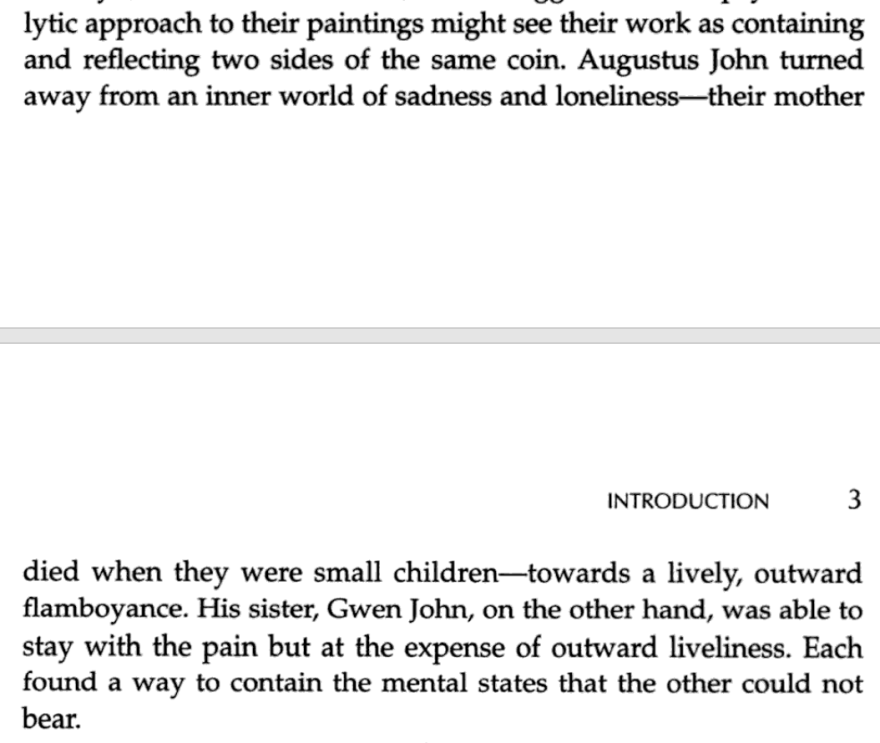
- Above, the way in which both siblings dealt with their mothers death were two sides of the same coin, they are so similar yet so different, as siblings.
- The mention of different faiths and religions in relation to the dynamic of the siblings.
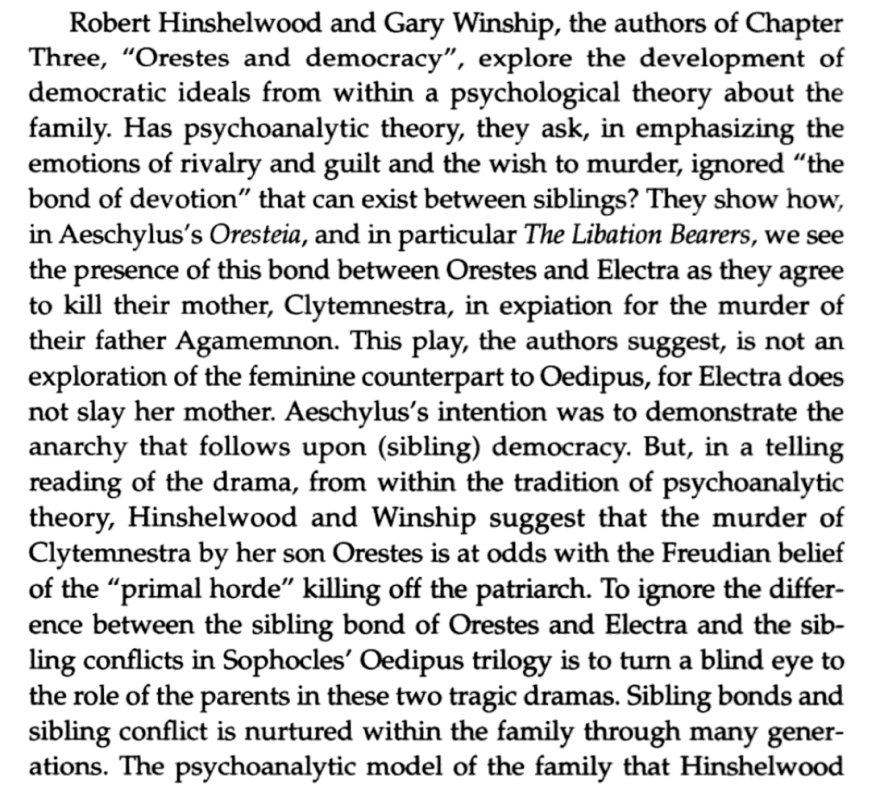
- The involvement of the parents.
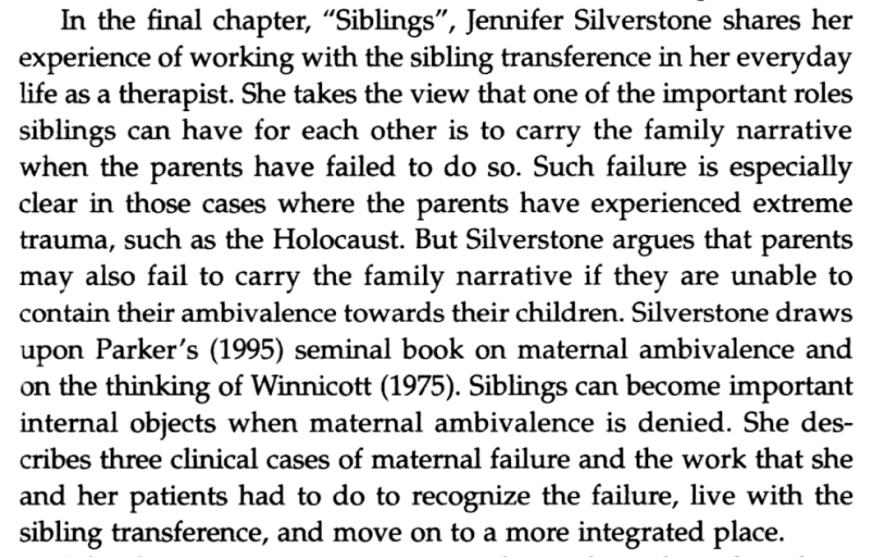
- The way in which siblings connect over trauma, sometimes to the parents and sometimes to themselves and sometimes to each other. The way in which the dynamic is effected by carried trauma of the parents.
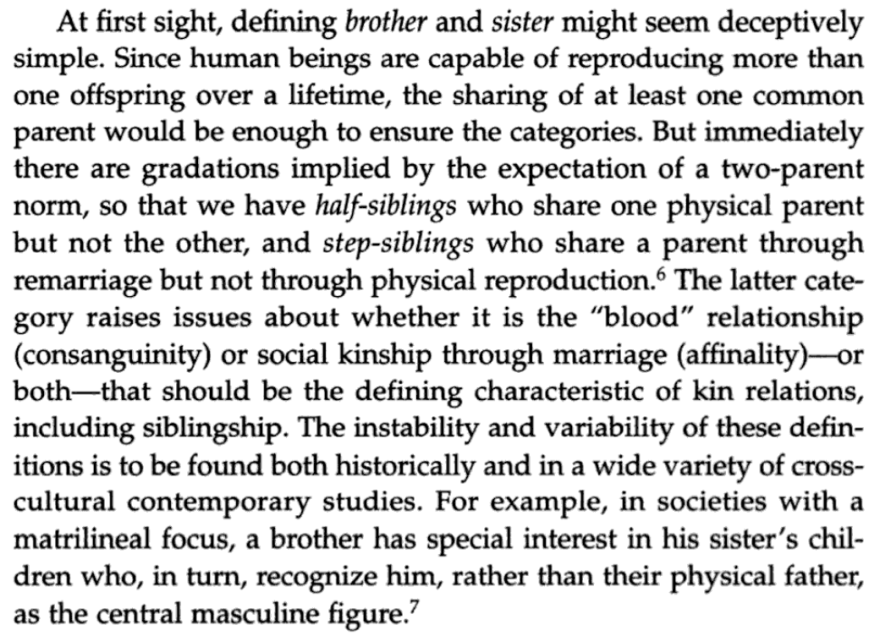
- Above is super interesting, the way in which their are different types of siblings, there are different shares of blood, me Rowan and Jack are full siblings, we are therefore different to the others, we share the same parents which would seam to give us a bond, however it has done the opposite, we don’t want that? We don’t share the same experiences. Closer with Flo and Ethan? More value or time? Why? What is the difference. Think about this.
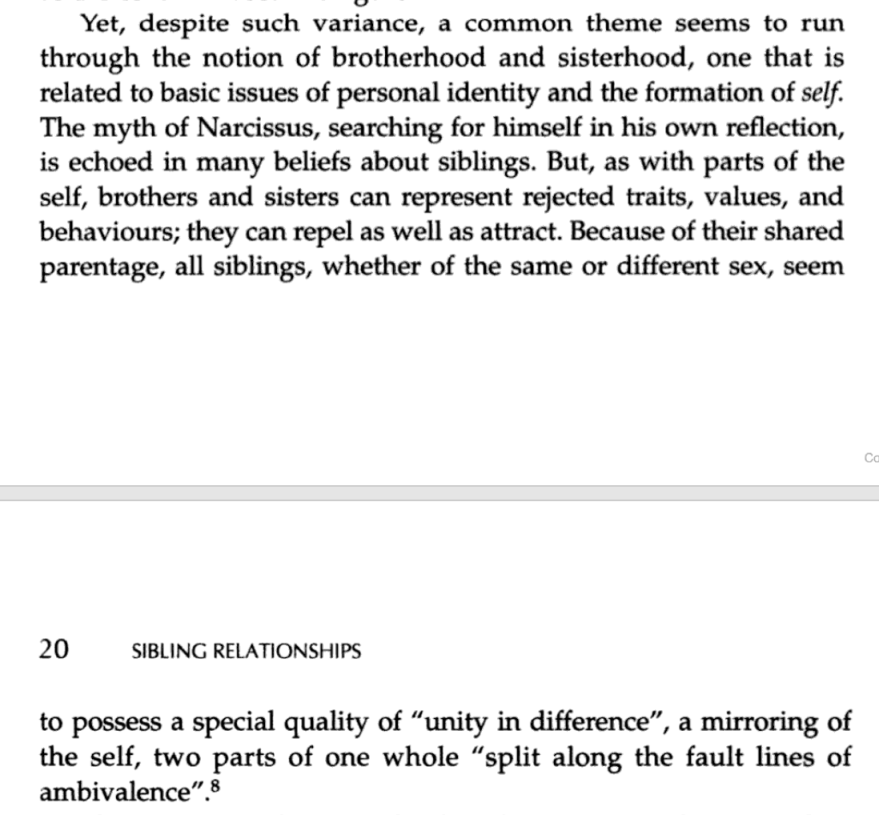
!!! VERY INTERESTING !!!
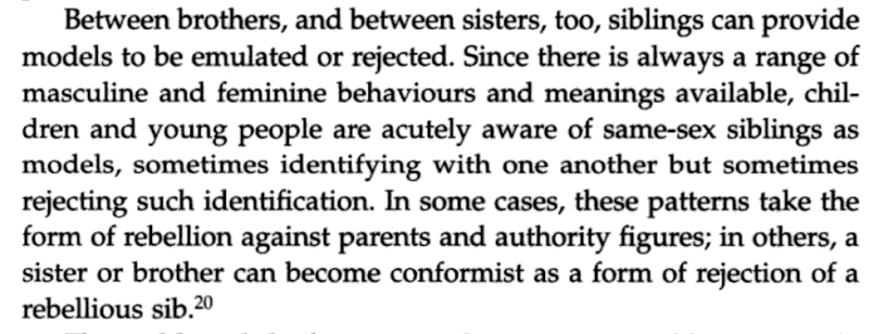
- The idea of rejection is very interesting, being similar but not wanting to be, being too different to understand, but too similar to get away from each other, the bond that you don’t want, or you so desperately do want but will never have.
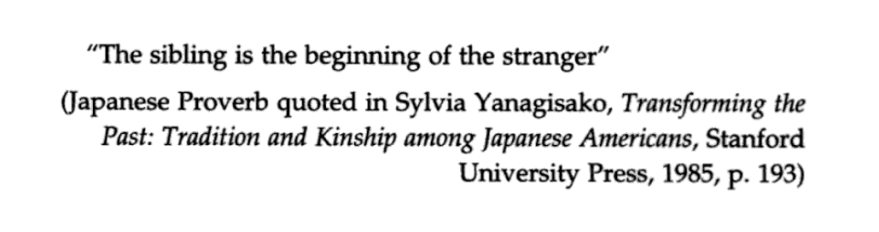
In Prophecy Coles’s Sibling Relationships she states that the origin of the sibling relationship stemmed from hate, competition, murder and fear of death, which she explains is reflected in the literature of Shakespeare brothers and sisters are often portrayed hating each other and wishing death on one another due to a rivalry for power or parental issues. This idea of competition is also referenced in more modern times, as artists Augustus John and Gwen John had mirrored artistic careers, and even exhibited together, showing a direct comparison of not only the artist but the art, which has been described as visually similar. This type of comparison could have many causes, potentially it is love for each other, or it could be something more deadly, trying to outshine the other sibling to win more power or approval. Coles states that some may see their paintings as ‘containing and reflecting two sides of the same coin’, which implies their biological nature as brother and sister is reflected in their work. While their work appeared similar, their personalities were very different, and the way in which they dealt with their mothers death differently reveals the way in which siblings can be very emotionally different and the way in which people will group them because of their artworks similarities was be entirely inaccurate in the representation of them being similar. This I feel is where the ‘two sides of the same coin’ is even more relevant, while siblings may share the same experiences, the way in which they experienced it and the reproductions can be completely different. By nature, siblings share parents and theoretically would be very similar, but this could in fact be the opposite, and they would be nothing alike but still be grouped as the same.
Coles also makes a comment on the politics between siblings, referring to a play in which two sisters plot to kill their mother. This bond is hinted to exist through the mer act of being siblings, and while these two characters are girls and do not possess the Oedipus complex their unity still results in the overpowering, overthrowing and murder of their shared parent. Perhaps this is less of a sibling issue and more of a parent and child relationship dynamic, as in classic literature there are countless stories of children killing their parents. Perhaps the addition of a sibling creates a different dynamic, it is not a parent versus child, it is a parent versus multiple children, who can group, and potentially join and conspire against a shares parent. The involvement of the parent in the sibling dynamic is vital, the way in which the parents influence the siblings relationship with each other as well as their own relationship with their children. I understand that this is a key aspect in my own life, and is also effected by the amount of siblings. I am one of five siblings on my Dads side, and the way in which siblings compete for affection and approval has influenced our relationship with each other. Perhaps the way in which Coles talks about the involvement of the parent is the way in which sibling may want over get rid of the parent figure, however my own sibling dynamic is the opposite, and the way in which each sibling has to fight each other in order to receive enough attention from the shared parent is an interesting indicator to the sibling relationships in my own family. I feel as though our Dad has had a very important role in all of our relationship, he is the only thing we have in common, as some of my sibling are half siblings, and we have never all lived together. I have previously talked about the way in which the masculine side of my family is overpowering and an on going theme with many of the relationships. Not only could this be down to having more brothers, but this may also be due to our Dad being the thing we all have in common. I would like to explore this further, and this male- dominated theme would be good to incorporate in the project title.
Coles also talks about the dynamic of brothers, brothers and sisters, and sisters, and the way in which these aspect may influence the relationship. She talks about how between brothers and between sisters, there are aspects of ’emulation and rejection’ in their relationship, a constant battle between being as good as a sibling of the same sex, being better than them, being the same as them and the resulting rejection of these aspects. I appreciate both emulation and rejection in the sibling relationship as I have both older siblings and younger siblings. However both older siblings are brothers, so perhaps this is more of a rejective relationship, as I would never truly be able to emulate them. The way in which a dynamic works with age is also a factor to the relationship, and elements of control and dominance begin to embody the dynamic. The way in which an older brother will control and younger brother or sister will reflect a lot of the feeling of rejection and emulation in the younger sibling, perhaps this control by the younger sibling is desired and could be misinterpreted as protective affection.
Coles also mentions the dynamic of half siblings, and how by sharing just one parent has its whole own type of relationship. Sharing blood by just one parent is an interesting way of being related to a sibling, while you do share a parent there is also half of you that has completely different biological aspects. I have two half siblings and one of them is a younger half sister, and am interested by this aspect, however am not sure how much of it would be in correspondence with the rest of my representation of the sibling dynamic.
In terms of shooting I would like to embody issues such as being an outsider, having the overpowering masculine energy in the relationship and the feeling of discomfort in relation to control and rejection. I feel that the way in which older siblings control each other would be an interesting thing is represent visually and combined with my visual research into photographers I feel as though this could be a good thing to explore. I would also like to currently not include self portraits in the work to show the way in which I am separated, looking at my brothers as they are photographed but not being visually involved, and being more of a spectator.
REFERENCE:
Coles, P. (2006). Sibling Relationships. London: Routledge; 1 Edition.
 phoebebowdige.photo.blog